How Do You Know If You Have a Carpenter Ant Infestation?
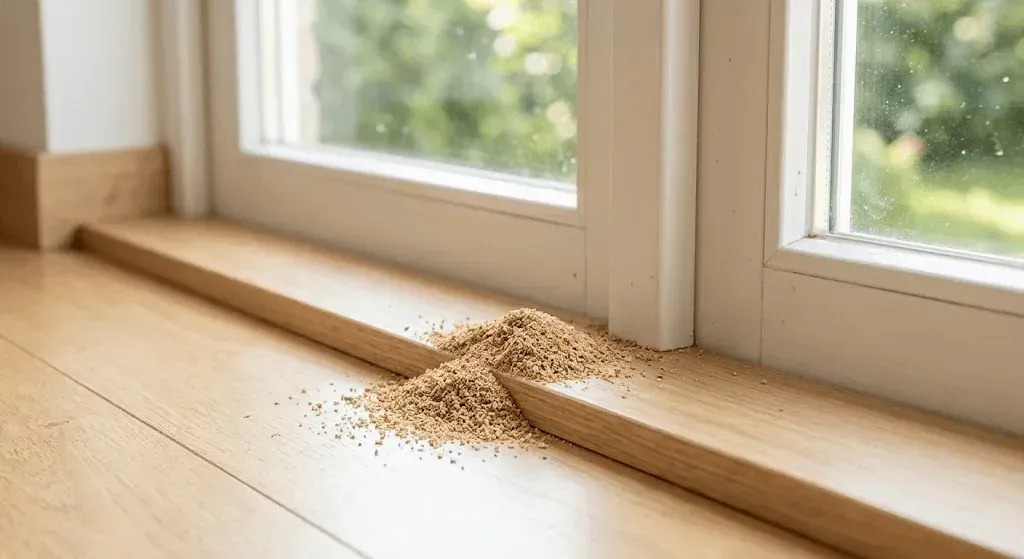
Table of Contents
- Introduction
- The Core Signs of Carpenter Ant Activity
- Understanding Carpenter Ant Damage
- Where Infestations Hide in Your Home
- Sounds That Signal Active Colonies
- Common Mistakes When Identifying Carpenter Ants
- Why Early Detection Saves Money
- Deciding When to Get Professional Assessment
- Conclusion
- Frequently Asked Questions
Key Takeaways
- Carpenter ants create distinctive signs: visible large ants, smooth-walled galleries inside wood, and fine sawdust-like debris piles called frass near affected areas.
- Most homeowners discover infestations months or years after they start, meaning early detection requires knowing where to look and what to look for.
- Continuous clicking or rustling sounds in walls at night, especially during spring and summer, indicate active colonies that have grown substantially.
- Unlike termites, carpenter ants don't eat wood - they excavate smooth tunnels for nesting, making damage patterns look distinctly different.
- Professional inspection becomes necessary when you find multiple infestation signs or suspect damage is hiding inside walls, since hidden colonies continue causing damage undetected.
Introduction
Carpenter ants indicate a wood-dwelling infestation when you find large ants (about half an inch long), hollow galleries inside wood, or fine sawdust-like debris near wood. The presence of carpenter ants matters because they excavate wood to create nesting galleries, causing serious structural damage over time. Learning about carpenter ant control and identification helps you catch problems before they become expensive.
Most homeowners don't realize they have infestations until months or years in. By that point, carpenter ants have already established significant colonies and created extensive gallery networks inside structural members. The damage compounds silently - what starts as a small entry point becomes a network of tunnels weakening floors, walls, and roof systems.
Understanding what to look for changes everything. Recognizing early signs stops the progression before it threatens your home's structural integrity. This guide walks through the specific signs of carpenter ant infestations, where they hide, and how to determine whether professional help is necessary.
The Core Signs of Carpenter Ant Activity
Several signs working together indicate infestation. Seeing a single carpenter ant doesn't mean infestation - they forage long distances from nests. Regular sightings, especially indoors year-round or near wood, suggest colonies are present.
Carpenter ant frass is the most reliable indicator. This fi
ne, sawdust-like debris appears in small piles near baseboards, inside walls, or under windows. Unlike termite frass which appears muddy, carpenter ant frass looks like actual saw dust - tan or light brown, dry, and loose.
Exit holes in wood are another key sign. Carpenter ants create round openings, about pencil-lead size with smooth edges. Finding multiple exit holes indicates active tunneling beneath the surface. These holes are clean and precise, not jagged like other wood-destroying insects.
Visible ant trails suggest nesting is nearby. Large carpenter ants establish pathways between nests and food sources. Following trails can lead to nest locations or entry points.
Understanding Carpenter Ant Damage
Carpenter ant galleries are smooth-walled tunnels running along wood grain. If you can see into a gallery, surfaces appear clean and polished, not packed with soil or debris like termite damage.
Surface wood often looks intact while interior galleries grow extensively. Pressing on apparently solid wood might reveal it crushes easily or sounds hollow because interior damage has weakened the structure while the exterior remains unchanged.
Structural damage concentrates in moisture-prone areas - around windows, door frames, beneath plumbing, crawl spaces with poor drainage, and attics with roof leaks. Advanced damage shows sagging floors, doors that don't close properly, or unexplained squeaking. These indicate galleries have weakened structural members. By this stage, infestations have existed for years.
Where Infestations Hide in Your Home
Carpenter ants prefer nesting in damp wood. Start inspections in moisture-prone areas.
Attics with roof leaks, wall voids near windows, crawl spaces with poor drainage, areas around plumbing, and exterior wood contacting soil are common nesting locations. Exterior colonies sometimes establish satellite nests inside the home once the primary nest reaches capacity.
Secondary colonies can establish in drier areas after primary nests fill up. Finding ants in dry locations doesn't mean the main nest is there - they may be foraging. This is why residential pest control professionals become valuable. They understand colony behavior and can locate primary nests by evaluating activity patterns.
Sounds That Signal Active Colonies
Homeowners sometimes hear faint rustling or clicking in walls at night. This comes from thousands of ants moving through galleries. The presence of audible activity indicates a substantial colony.
Sounds typically become noticeable in spring and summer. Swarmers (winged reproductive ants) emerge in spring or early summer around windows and doors where light attracts them. Finding swarmers indoors signals a large, established colony exists in or near your home.
Common Mistakes When Identifying Carpenter Ants
Carpenter ants and termites both damage wood, but differently. Termites consume wood as food, leaving galleries filled with soil and debris that look muddy. Carpenter ant galleries are clean, smooth-walled tunnels. Misidentifying the pest means applying wrong treatment.
Another mistake is assuming sealing entry holes eliminates infestation. Sealing doesn't kill the colony - ants simply use different routes. Treatment must address the colony itself.
Many assume old wood attracts carpenter ants. Actually, they prefer wood with moisture problems - decay, rot, or chronic dampness. Solid, dry wood has little appeal. A home without moisture problems rarely experiences carpenter ant infestations regardless of wood age.
Why Early Detection Saves Money
Carpenter ant damage develops gradually over years, not overnight. A small colony causes minimal damage in the first year. As colonies grow, damage accelerates. Most noticeable structural damage appears after 3-5 years of infestation.
This timeline means early detection prevents catastrophic costs. Catching infestations when colonies are small, before extensive gallery networks develop, prevents thousands in structural repairs. Treating a colony in year 2 costs far less than addressing damage that's progressed for 5-7 years.
Hidden damage is the silent cost. Gallery networks expand inside structural members for years before surface damage becomes visible. By the time sagging floors or visible galleries appear, the infestation may have been present for years. Regular inspections of moisture-prone areas catch problems when treatment is simplest and cheapest.
Deciding When to Get Professional Assessment
Use this framework to determine whether professional evaluation is necessary:
Single ant sighting indoors: Likely a forager. Monitor the area and watch for additional signs.
Repeated indoor sightings: Especially near wood or during fall-winter, this suggests nesting is occurring inside.
Visible frass or exit holes: These indicate active galleries and probable infestation.
Sounds in walls: Clicking or rustling at night suggests a substantial colony is present.
Known moisture problems: Combined with any other sign, increases probability of infestation.
Previous treatment failed: If you've already attempted treatment without success, professional evaluation reveals why and what else needs addressing.
Professional inspection becomes valuable when you've confirmed carpenter ants and found multiple signs of activity. Professionals can locate primary nesting areas, determine extent of damage, and identify moisture conditions that need correcting. This information helps you make informed decisions about treatment and prevention specific to your home's situation. Beyond identification, professionals have tools and expertise to treat colonies effectively, not just eliminate foraging ants. Understanding whether your situation represents early-stage or advanced infestation changes treatment complexity and costs. When in doubt, a professional assessment through pest control services provides clarity that guess-and-check approaches cannot deliver.
Conclusion
Carpenter ant infestations are identifiable through multiple signs working together - visible ants, distinctive frass, clean gallery damage, and behavioral indicators like sounds or trails. The challenge isn't typically identifying ants themselves; it's recognizing that their presence indicates infestation requiring attention before damage becomes extensive.
Early detection prevents costly repairs by stopping infestations when colonies are small and damage is minimal. Understanding what to look for and checking moisture-prone areas increases your odds of catching problems quickly. Professional assessment becomes valuable when you've found multiple signs or when DIY approaches haven't resolved the problem, providing clarity about whether infestation exists and what treatment and prevention make sense for your specific situation.
Ready to Protect Your Home?
If you've noticed signs suggesting carpenter ant infestation, determining the scope and severity helps you decide next steps. A professional inspection can identify whether you have an active infestation, locate primary nesting areas, and assess damage extent. This information clarifies what action is needed and helps you understand the real situation beyond what's visible. Consider scheduling an evaluation to get answers specific to your home's condition. Learning the actual situation - rather than guessing based on isolated signs - puts you in the best position to protect your property effectively. Ready to take the next step? Contact us today to schedule a professional assessment.
Frequently Asked Questions
How do I know if carpenter ants are nesting in my home versus just visiting?
Finding ants indoors during fall and winter almost certainly means nesting inside, since they seek shelter as temperatures drop. Repeated sightings during any season, finding frass, or discovering exit holes indicate nesting. Single spring/summer sightings might just be foraging from an outdoor nest. Professional inspection clarifies whether an indoor nest is established.
Can I treat carpenter ant infestations myself?
Over-the-counter treatments eliminate foraging ants but rarely reach colonies hidden inside walls or structural members. Most DIY approaches fail because they address visible ants without treating the nest. Professional treatment uses targeted methods to reach hidden colonies. Success depends on accurate nest location, which professionals can often determine through inspection patterns.
What's the difference between carpenter ant and termite damage?
Carpenter ant galleries are smooth-walled and clean inside. Termite galleries appear muddy or filled with soil. Carpenter ants don't eat wood - they excavate it. Termites consume wood as food. Identifying which pest you have prevents applying wrong treatment approaches. Professional inspection confirms pest type and appropriate treatment.
How long before carpenter ant damage becomes structurally serious?
Damage timeline varies based on colony size and moisture. Small colonies cause minimal damage for 1-2 years. Noticeable structural damage typically appears after 3-5 years. Hidden gallery networks can expand significantly before surface damage becomes obvious. Early treatment prevents years of damage progression.
What moisture problems attract carpenter ants most?
Carpenter ants are attracted to any chronic moisture - roof leaks, plumbing issues, poor drainage, or persistent dampness. They need water to survive and prefer to nest in water-damaged or decaying wood. Eliminating moisture is essential for long-term control. Simply treating ants without fixing moisture problems typically results in reinfestation.
Recent Posts