What Pests Are Most Common in Oakland County, MI Homes?

Table of Contents
- Introduction
- The Most Common Pests in Oakland County Homes
- Ants - Year-Round Pest Challenges
- Rodents - Mice and Rats
- Termites - Silent Structural Threats
- Spiders and Other Arachnids
- Cockroaches and Other Indoor Invaders
- Seasonal Pests and Climate Factors
- How to Spot a Pest Problem Early
- When to Call for Professional Help
- Conclusion
- Frequently Asked Questions
Key Takeaways
- Oakland County homeowners face recurring pest problems with ants, rodents, spiders, termites, and cockroaches based on the region's climate and environment.
- Different seasons bring different pest threats - spring and fall typically see increased pest activity due to temperature changes.
- Early identification of pest signs like droppings, damaged wood, or unusual odors can help homeowners catch infestations before they become serious.
- Mice and rodents cause structural damage and health risks, while termites specifically threaten the structural integrity of homes.
- Professional pest control services offer inspection and targeted treatment options that address the specific pests common to the Oakland County area.
Introduction
Oakland County homeowners deal with a predictable mix of pests year-round, including ants, rodents, termites, spiders, and cockroaches. The region's cold winters and warm summers create ideal conditions for pests seeking shelter and food inside homes. Learning about residential pest control options can help you address pest problems effectively.
Understanding which pests are likely to invade your home and what signs indicate infestation is the first step toward protection. This guide explains what pests homeowners commonly encounter and when professional help is needed.
The Most Common Pests in Oakland County Homes
Oakland County's location in Southeast Michigan means homeowners face a specific set of pest pressures tied to the local environment. The area's mix of residential neighborhoods, wooded areas, and developed spaces creates multiple entry points for common household pests. Temperature swings between seasons push pests into homes seeking warmth and food sources.
The most frequent invaders include carpenter ants, house ants, house mice, deer mice, brown rats, termites, house spiders, American cockroaches, and German cockroaches. Each of these pests has different habits, preferences, and risks associated with them.
Ants - Year-Round Pest Challenges
Ants present one of the most persistent pest problems for Oakland County homeowners. Carpenter ants are large black ants that hollow out wood to create nesting galleries, causing serious structural damage over time. They're attracted to moisture and often nest in damp wood in attics, basements, or areas with leaks. Signs include fine sawdust near wood, rustling sounds inside walls, and visible ant trails.
Smaller house ant species like pavement ants and odorous house ants forage indoors year-round, contaminating pantries and food storage areas. While less destructive than carpenter ants, large colonies become difficult to manage.
Rodents - Mice and Rats
Rodents represent a significant pest concern in Oakland County, especially during fall and winter when outdoor food sources disappear. House mice are small rodents that leave grain-sized droppings in kitchens and pantries. They reproduce quickly - a female produces 5 to 10 litters per year - making infestations spread rapidly if unchecked.
Larger rats like Norway rats cause more visible damage than mice, chewing larger holes in walls and containers. Deer mice, common in Michigan, carry hantavirus and pose specific health risks. All rodents create health hazards through droppings that contaminate surfaces and food, plus they introduce fleas and mites that trigger allergies and asthma.
Termites - Silent Structural Threats
Termites cause more property damage annually than fire and storms combined. Eastern subterranean termites tunnel through wood, creating hollow cavities in joists, beams, and structural supports. Termite damage often goes unnoticed for months or years because the insects work inside wood.
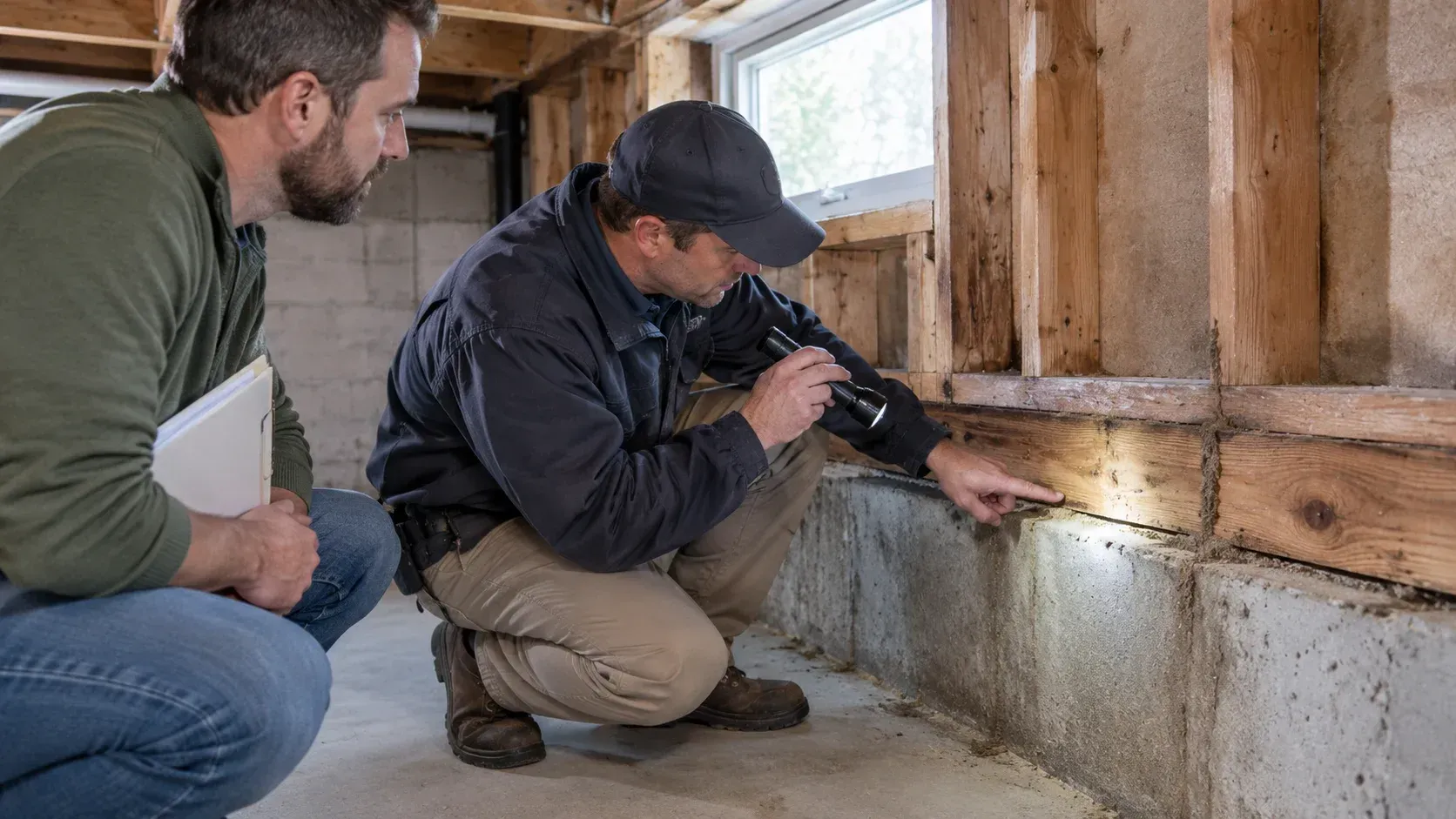
Watch for mud tubes on basement walls or foundation cracks - these protect termites as they travel between soil and wood. Blistered paint, sagging floors, or faint clicking sounds inside walls indicate activity. Swarmers (winged termites) appear in spring near windows and doors. A single colony can contain hundreds of thousands of termites and cause tens of thousands in damage if left untreated.
Spiders and Other Arachnids
Most Oakland County spiders are harmless and naturally control other pest populations by hunting insects. While spiders rarely cause damage, their presence indicates other insects are nearby. Large numbers suggest active populations of flies, gnats, or other insects they feed on. Only brown recluse and black widow spiders pose medical concern, and both are extremely rare in Michigan.
Cockroaches and Other Indoor Invaders
Cockroaches thrive in warm, dark, damp environments and contaminate food and preparation surfaces. They leave fecal matter and shed skin that trigger allergies and asthma, especially in children. Cockroach allergens are among the most common indoor allergens in the United States.
Cockroaches are nocturnal and hide in cracks during the day. Seeing a cockroach during daylight suggests a significant population exists. A musty odor in kitchens or bathrooms can indicate activity.
Seasonal Pests and Climate Factors
Oakland County's seasons drive pest activity patterns. Spring and summer bring active carpenter ants, termite swarmers (especially after rainfall), and increased mosquitoes. Fall triggers rodent entry starting in September as temperatures drop, and stink bugs seek warm indoor spaces to overwinter.
Winter keeps most outdoor pests dormant, but interior infestations remain active year-round. Spring inspections often reveal problems that developed silently during winter months.
How to Spot a Pest Problem Early
Early detection prevents minor problems from becoming major infestations. Check basements for mud tubes indicating termites, look for rodent droppings in kitchens and under sinks, and listen for scratching or clicking sounds in walls at night. Inspect around windows and doors for cracks or gaps, and check window sills for dead insects or spider webs.
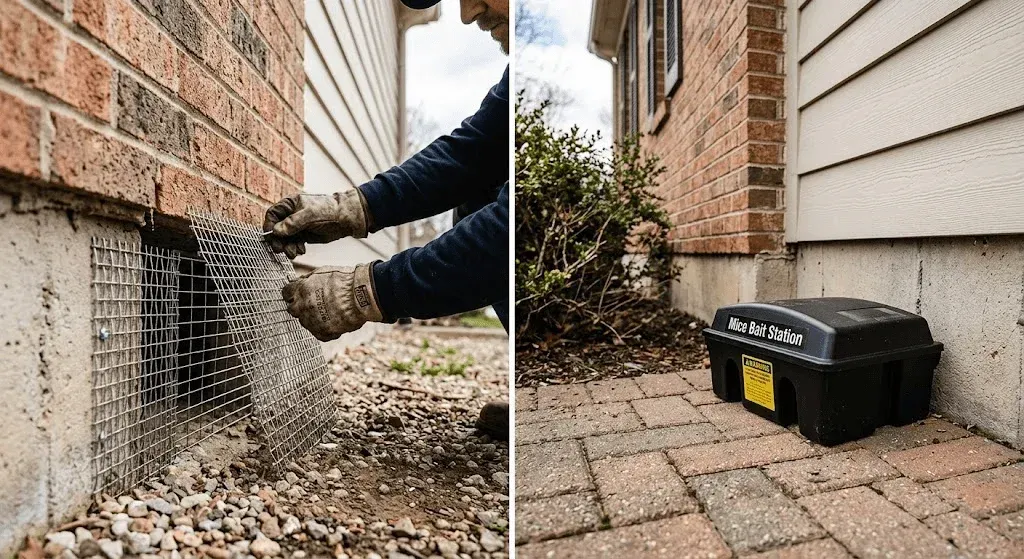
Prevention includes sealing cracks around windows, doors, and foundations, fixing leaky pipes, trimming vegetation away from the house, and storing food in sealed containers. Regular cleaning removes food sources that attract pests.
When to Call for Professional Help
Contact a professional if you discover termites, since damage progresses quickly and requires targeted expertise. Multi-room rodent infestations exceed what most homeowners can safely manage alone. Cockroach infestations require professional-grade treatments since these insects develop resistance to consumer products.
Large carpenter ant colonies or any pest problem returning after DIY treatment indicates professional assessment is needed. Pest control professionals understand Oakland County's specific pest pressures and can identify conducive conditions that led to infestation.
Conclusion
Oakland County homeowners face regular pest challenges from ants, rodents, termites, spiders, and cockroaches. Each brings different risks requiring different management approaches. Understanding which pests are common in your area, recognizing active problems, and knowing when professional help is needed puts you in a strong position to protect your home.
Regular inspections, preventive maintenance, and prompt action keep properties in better condition and prevent serious infestations. Speaking with a pest control professional who understands Oakland County's specific pest pressures can help you make informed decisions about protecting your home.
Frequently Asked Questions
What is the most common pest problem in Oakland County homes?
Ants and rodents are the most frequently reported issues, with seasonal increases during fall and winter. Carpenter ants and house mice consistently rank among the top complaints.
How can I tell if I have termites in my home?
Look for mud tubes on basement walls or foundation cracks. Blistered paint, sagging floors, or small holes in wood indicate activity. Professional inspection confirms termite presence since damage often isn't immediately visible.
Are spiders in my home dangerous?
Nearly all Oakland County spiders are harmless and help control pests. Only brown recluse and black widow spiders pose medical risk, both extremely rare in Michigan.
What's the best way to prevent rodents from entering my home?
Seal cracks around windows, doors, and utility entry points since mice need only a dime-sized opening. Fix leaky pipes, store food in sealed containers, and trim vegetation away from your home.
How quickly can a termite infestation cause serious damage?
Termite damage develops over months and years. A single colony consumes wood constantly, but structural damage becomes visible only after extensive tunneling. Professional inspections prevent costly long-term damage.
When should I call a professional instead of trying to handle pests myself?
Contact a professional if you discover termites, have multi-room rodent infestations, or pests return after treatment. Carpenter ants and cockroach infestations also typically require professional intervention.
How do different seasons affect pest activity in Oakland County?
Spring increases ant and termite activity. Summer brings mosquitoes. Fall triggers rodent entry as food disappears and temperatures drop. Winter dormancy keeps outdoor pests inactive.
Recent Posts