What Is a VA Loan Termite Inspection, and Who Needs One?
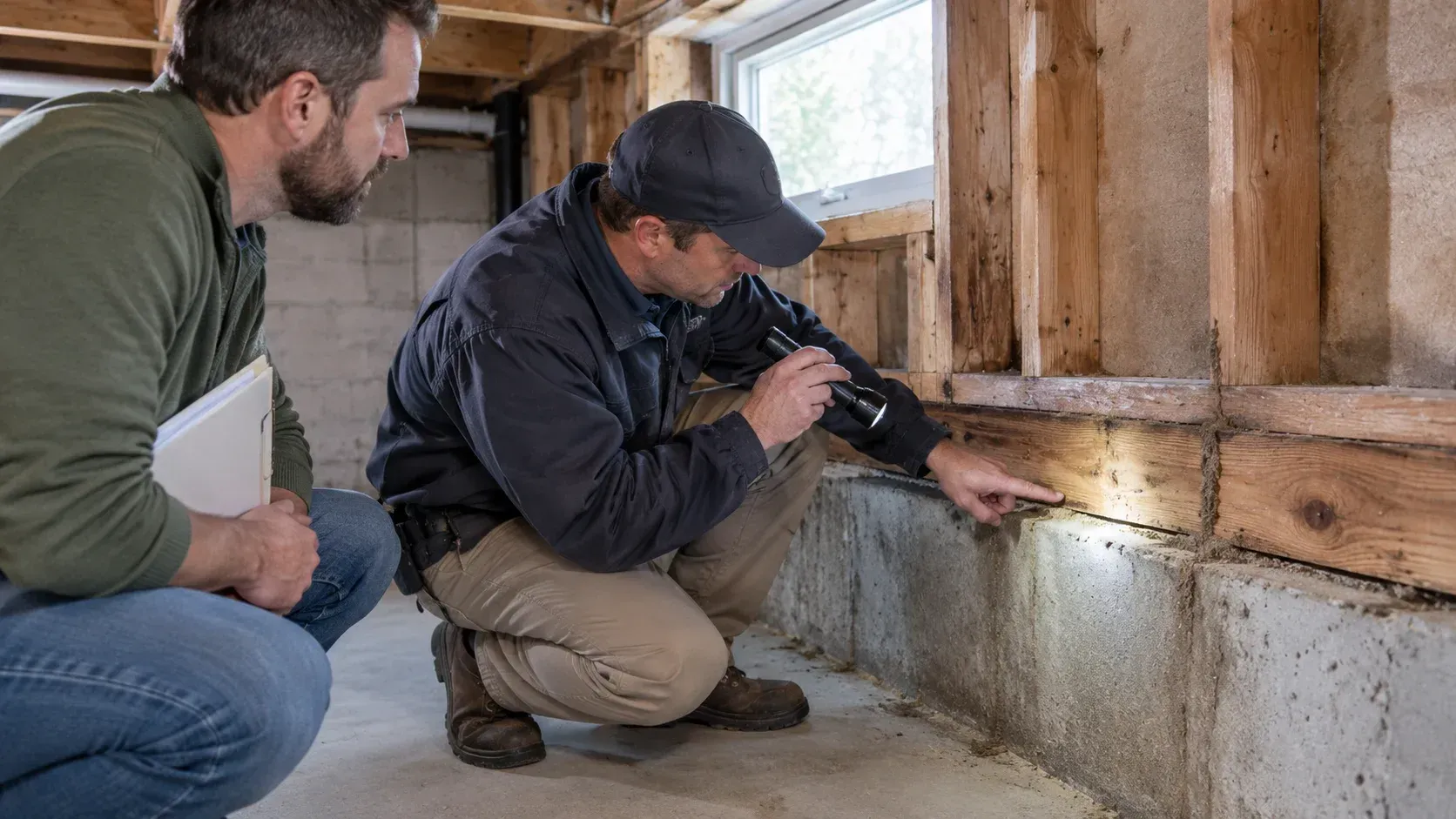
Table of Contents
- Introduction
- What a VA Loan Termite Inspection Covers
- Who Needs a VA Termite Inspection
- Why the VA Requires This Inspection
- The Inspection Process Explained
- What Happens If Termites Are Found
- Michigan-Specific Considerations
- Common Misconceptions About VA Termite Inspections
- What Typical Advice Overlooks
- Preparing for Your Inspection
- Conclusion
- Frequently Asked Questions
Key Takeaways
- A VA loan termite inspection is a required evaluation for properties being purchased with a VA-backed loan in most states, including Michigan, to confirm the home is free of active termite infestation and damage.
- The buyer typically cannot pay for this inspection under VA loan rules - the seller usually covers the cost, which differs from conventional home inspections.
- Finding termite activity doesn't automatically disqualify a property, but it requires treatment and repairs before the loan can close in most cases.
- Michigan's climate creates specific termite pressure patterns that affect when and how infestations develop in homes being sold.
- Understanding the inspection process helps both buyers and sellers anticipate potential delays and plan accordingly during the home buying timeline.
Introduction
A VA loan termite inspection is a mandatory wood-destroying insect evaluation required for properties purchased using VA-backed financing, confirming the home is free of active termite infestation before the loan closes. This requirement applies to most VA loans in Michigan and across the country, protecting both the veteran buyer and the lender from unknowingly purchasing a property with significant structural damage. Understanding termite inspection requirements helps veterans and sellers navigate the home buying process without unexpected delays.
Veterans and active military members using VA loan benefits need to understand this requirement because it differs from standard home inspections in several important ways. The inspection isn't optional, the payment responsibility typically falls on the seller rather than the buyer, and the findings can directly affect whether a sale closes on schedule.
This guide explains what the inspection covers, who needs one, how the process works, and what happens when termite activity is discovered during a Michigan home purchase.
What a VA Loan Termite Inspection Covers
The Scope of Inspection
A VA termite inspection, officially called a wood-destroying insect inspection, examines a property for evidence of termites, carpenter ants, wood-boring beetles, and other insects that damage structural wood. Inspectors examine foundations, crawl spaces, basements, attics, and visible wood structures.
The inspection documents current infestation, previous damage, and conditions that could attract wood-destroying insects in the future, including moisture problems and wood-to-soil contact.
Documentation Requirements
Inspectors complete a standardized form (NPMA-33) that details findings for the lender and VA. This form becomes part of the loan file and must show the property is free of active infestation for the loan to proceed without additional conditions.
Who Needs a VA Termite Inspection
Properties Requiring Inspection
VA loans require termite inspections in states designated by the VA as having significant termite risk, which includes Michigan despite its northern location and colder climate. The requirement applies to most property types purchased with VA financing, including single-family homes and some multi-unit properties used partially for business purposes.
Buyers and Sellers Who Need to Prepare
Veterans using VA loan benefits for the first time often don't realize this inspection exists until their lender mentions it. Sellers should understand this inspection will occur and that they'll likely bear the cost. Preparing in advance - addressing moisture issues or getting a pre-listing inspection - helps avoid surprises that delay closing.
Why the VA Requires This Inspection
The VA implemented this requirement to protect veterans from purchasing homes with hidden structural damage that could cost thousands to repair after closing. Since VA loans often require minimal or no down payment, veterans have less equity cushion to absorb unexpected repair costs compared to conventional buyers.
The VA guarantees a portion of these loans, meaning taxpayer-funded guarantees back these mortgages. Ensuring properties don't have significant hidden structural problems protects this guarantee program's financial stability while also ensuring veterans don't unknowingly purchase homes with active infestations that could worsen after purchase.
The Inspection Process Explained
Scheduling and Timing
The termite inspection typically occurs after the purchase agreement is signed but before the loan closes. Lenders usually require this inspection as part of underwriting, meaning it must be completed within the loan timeline, often 30-45 days.
What Inspectors Look For
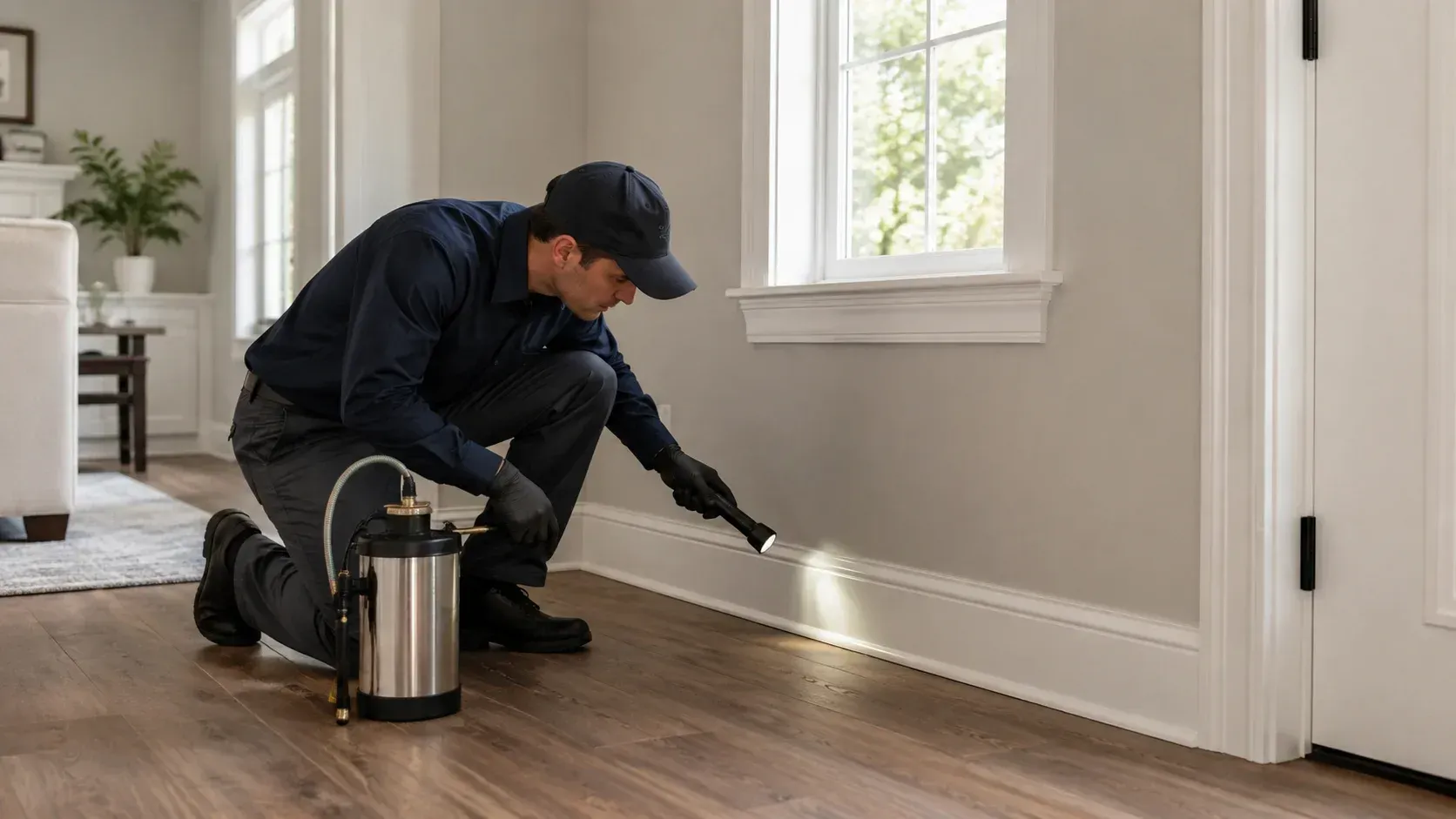
Licensed professionals examine accessible areas for signs of termite activity, including mud tubes, wood damage, discarded wings from swarmer's, and live insects. They also assess conditions like wood-to-soil contact and moisture problems that could lead to future infestations. Basements, crawl spaces, and foundation areas receive particular scrutiny since these locations commonly show early termite activity.
What Happens If Termites Are Found
Active Infestation and Previous Damage
If an inspector finds active termite infestation, the property typically cannot close with VA financing until treatment occurs and clearance is obtained. The seller must arrange treatment through a licensed pest control company and obtain documentation confirming the infestation has been addressed.
Sometimes inspectors find evidence of previous damage with no current activity. The VA loan may still proceed, but repairs to damaged structural elements are often required before closing, depending on severity.
Conducive Conditions and Timeline Impact
If inspectors identify conditions that could attract termites - like wood touching soil - without finding actual infestation, requirements vary by lender. Finding termite issues typically adds one to several weeks to the closing timeline, depending on treatment scheduling and re-inspection requirements.
Michigan-Specific Considerations
Climate and Termite Activity
Michigan's cold winters might suggest lower termite risk compared to southern states, but Eastern subterranean termites remain active throughout the state, particularly in southern Michigan counties. These termites survive winters by remaining in soil below the frost line, becoming active again as temperatures warm in spring.
Termite swarmer's, the winged reproductive termites indicating mature colonies, typically appear in Michigan during spring. Home purchases finalizing during winter might not show obvious swarmer activity, though underlying infestations can still be detected through other signs.
Regional Risk Factors
Properties near wooded areas, older homes with aging foundations, and houses with known moisture issues face higher termite risk in Michigan. Urban and suburban properties aren't immune, particularly those with landscaping creating wood-to-soil contact.
Common Misconceptions About VA Termite Inspections
A common misconception is that buyers can skip this inspection to save time. VA loan guidelines generally require this inspection for eligible properties, and lenders won't close loans without documentation showing the property passed or issues were resolved.
Another misconception involves payment responsibility. Many buyers assume they'll pay for this inspection like conventional home inspections. In most cases, VA guidelines require sellers to pay for the termite inspection and any necessary treatment.
Some assume finding termite evidence automatically kills the sale. This isn't accurate. Most termite issues can be resolved through treatment and repairs, allowing the sale to proceed, though this adds time and sometimes negotiation between buyer and seller.
What Typical Advice Overlooks
Generic online guides about VA loans often mention termite inspections briefly without explaining practical implications for closing timelines. Buyers frequently don't realize that finding damage - even minor, previous damage - can require structural repairs that take weeks to complete and re-inspect.
Most advice also fails to mention that inspection findings can become negotiating points between buyers and sellers. If treatment costs are substantial, buyers sometimes request price reductions or seller credits to offset these expenses.
Few resources address what happens when sellers refuse to address conducive conditions, like wood-to-soil contact, that don't constitute active infestation but increase future risk. This varies by lender interpretation of VA guidelines.
Preparing for Your Inspection
For Buyers and Sellers
Buyers should ask their real estate agent or lender when the termite inspection will occur in their purchase timeline. If purchasing an older home or one with visible wood-to-soil contact, discuss this risk with your agent before making an offer.
Sellers should consider obtaining a pre-listing termite inspection before putting their property on the market, particularly if selling to VA loan buyers is likely. This allows addressing issues proactively rather than discovering problems during the buyer's financing process.
Understanding that this inspection exists helps both parties set realistic expectations about closing timelines. If you have questions about your property's termite risk, reaching out to a licensed pest control professional familiar withVA loan requirements can clarify your particular situation.
Conclusion
A VA loan termite inspection protects both veteran buyers and the VA loan guarantee program by ensuring properties are free of significant wood-destroying insect damage before closing. This requirement applies to most VA loan purchases in Michigan, with sellers typically responsible for inspection costs and any necessary treatment.
Understanding this process - including what inspectors examine, who pays for inspections, and what happens when termites are found - helps both buyers and sellers navigate the home purchase timeline more effectively. Michigan's climate doesn't eliminate termite risk, making this inspection a meaningful protection regardless of the state's colder reputation compared to southern states.
Whether you're a veteran purchasing your first home or a seller preparing to list a property for VA loan buyers, understanding these requirements in advance reduces surprises and helps set realistic expectations for your transaction timeline. Michigan homeowners dealing with termite concerns beyond the VA loan process may also benefit from understanding broader residential pest control options available for long-term prevention.
Have Questions About Termite Inspections for Your Property?
If you're navigating a VA loan purchase or sale in Michigan and want to understand your property's termite risk, a professional inspection provides clarity before issues arise during the loan process. Getting ahead of potential problems - whether you're buying or selling - can prevent closing delays and unexpected costs. If you'd like to discuss your specific situation or schedule an inspection, feel free to
contact us
to learn more about how we can help with your termite inspection needs.
Frequently Asked Questions
Who pays for a VA loan termite inspection in Michigan?
In most cases, VA loan guidelines require the seller to pay for the termite inspection and any necessary treatment if termites are found. This differs from conventional home purchases where buyers sometimes cover inspection costs. Specific payment arrangements can occasionally be negotiated within the purchase contract.
Can a home sale fall through because of termite inspection findings?
Finding termites doesn't automatically end a sale, but it requires treatment and sometimes repairs before closing can proceed. If sellers refuse to address infestation or necessary repairs, buyers may choose to walk away, but most issues get resolved through treatment rather than canceling the transaction entirely.
Does Michigan really have significant termite risk given its cold climate?
Yes, Eastern subterranean termites are active throughout Michigan, particularly in southern counties, despite the state's cold winters. These termites survive winter by staying below the frost line in soil, becoming active again as temperatures warm, making termite inspections genuinely relevant for Michigan properties.
How long does the VA termite inspection process typically take?
The inspection itself usually takes one to two hours depending on property size, with reports typically available within a few days. However, if treatment or repairs are needed, this can add one to several weeks to your closing timeline depending on the extent of work required.
What's the difference between a VA termite inspection and a regular home inspection?
A VA termite inspection specifically examines for wood-destroying insects and related damage, while a general home inspection covers broader systems like electrical, plumbing, and structural elements. VA loans typically require both inspections, though the termite inspection has specific VA guidelines regarding who pays and what must be resolved before closing.
Recent Posts