How Often Should You Schedule Pest Control Treatments for Your Home?

Table of Contents
- Introduction
- The General Guideline for Treatment Frequency
- Factors That Determine Your Ideal Schedule
- Seasonal Treatment Considerations in Michigan
- Residential vs Commercial Treatment Frequency
- Signs You Need More Frequent Treatment
- What Happens Between Scheduled Visits
- Common Misconceptions About Treatment Frequency
- What Typical Advice Overlooks
- Building a Treatment Schedule That Works
- Conclusion
- Frequently Asked Questions
Key Takeaways
- Most Michigan homes benefit from quarterly pest control treatments, though the right frequency depends on property type, pest pressure, and previous infestation history.
- Seasonal changes significantly affect pest activity in Michigan, meaning treatment timing often matters as much as treatment frequency.
- Commercial properties typically require more frequent service than residential homes due to regulatory requirements and higher foot traffic.
- Properties with ongoing pest problems, moisture issues, or previous infestations usually need more frequent monitoring than a standard quarterly schedule.
- A treatment schedule should adjust over time based on what's actually happening at your property rather than following a fixed plan indefinitely.
Introduction
Most Michigan homes benefit from pest control treatments scheduled quarterly, meaning once every three months, though this frequency can vary based on your property's specific pest pressure and history. Understanding how often you need pest control treatments matters because both too little and too much treatment create problems - infrequent service allows pest populations to establish, while unnecessary frequent treatment adds cost without added benefit.
Homeowners and business owners often default to either extreme: calling for help only when they see pests, or assuming more frequent treatment always means better protection. Neither approach reflects how pest control actually works. Treatment frequency should match your property's actual risk factors rather than following arbitrary assumptions.
This guide explains the factors that determine appropriate treatment frequency, how Michigan's seasons affect pest activity, and how to build a schedule that actually protects your property without unnecessary expense.
The General Guideline for Treatment Frequency
Quarterly Treatment as a Starting Point
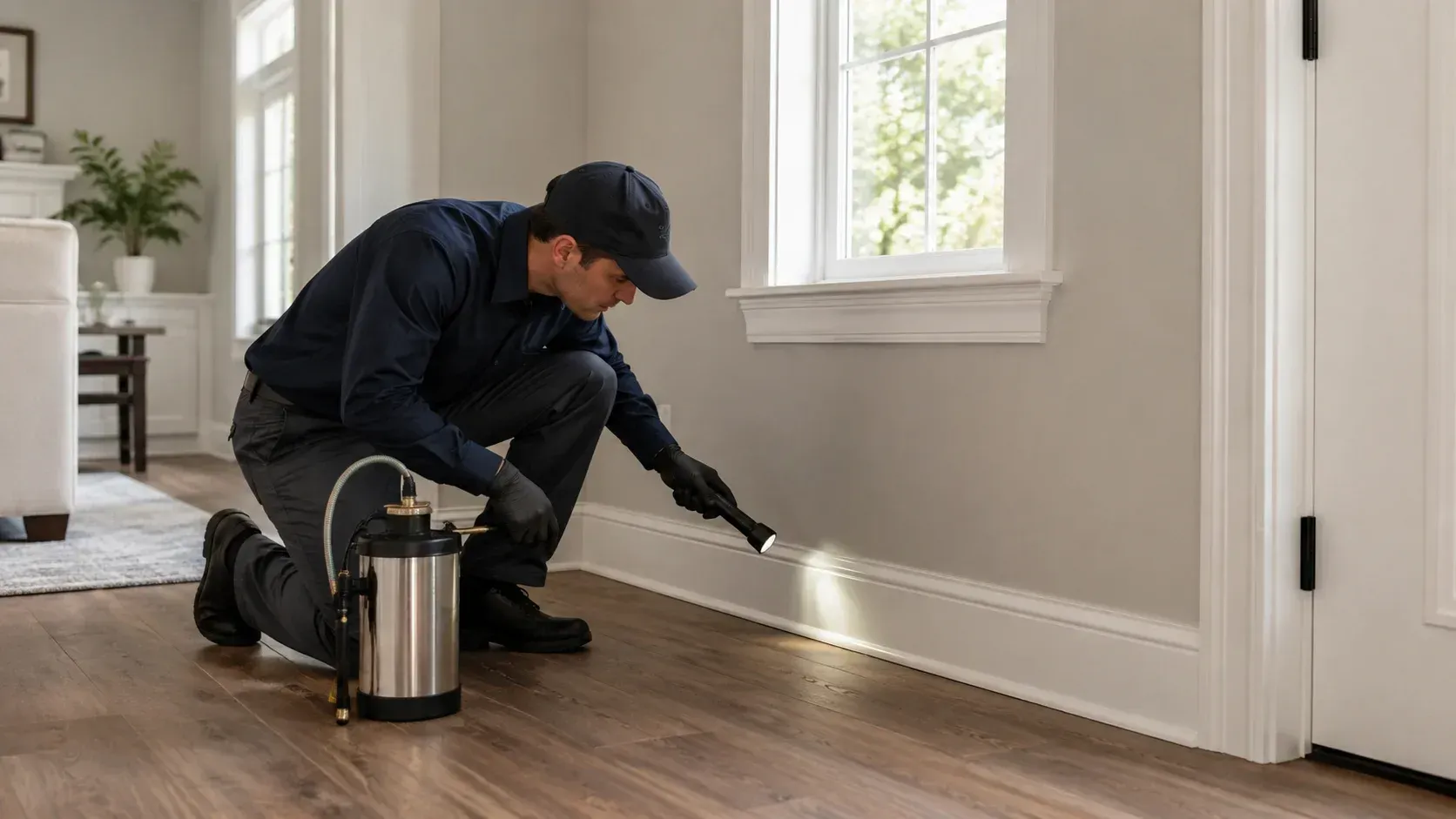
Quarterly service, meaning treatments every three months, serves as a reasonable baseline for most residential properties without significant pest history. This frequency allows professionals to address seasonal pest changes, apply preventive treatments, and catch emerging issues before they become infestations.
Most household pests have seasonal patterns tied to breeding cycles and weather changes. Quarterly visits align reasonably well with these natural cycles, addressing pests as they become active.
When Quarterly Isn't Enough
Quarterly treatment works as a general guideline, not a universal rule. Properties with chronic moisture problems, previous significant infestations, or location near dense pest populations often need more frequent attention.
Factors That Determine Your Ideal Schedule
Property Age and History
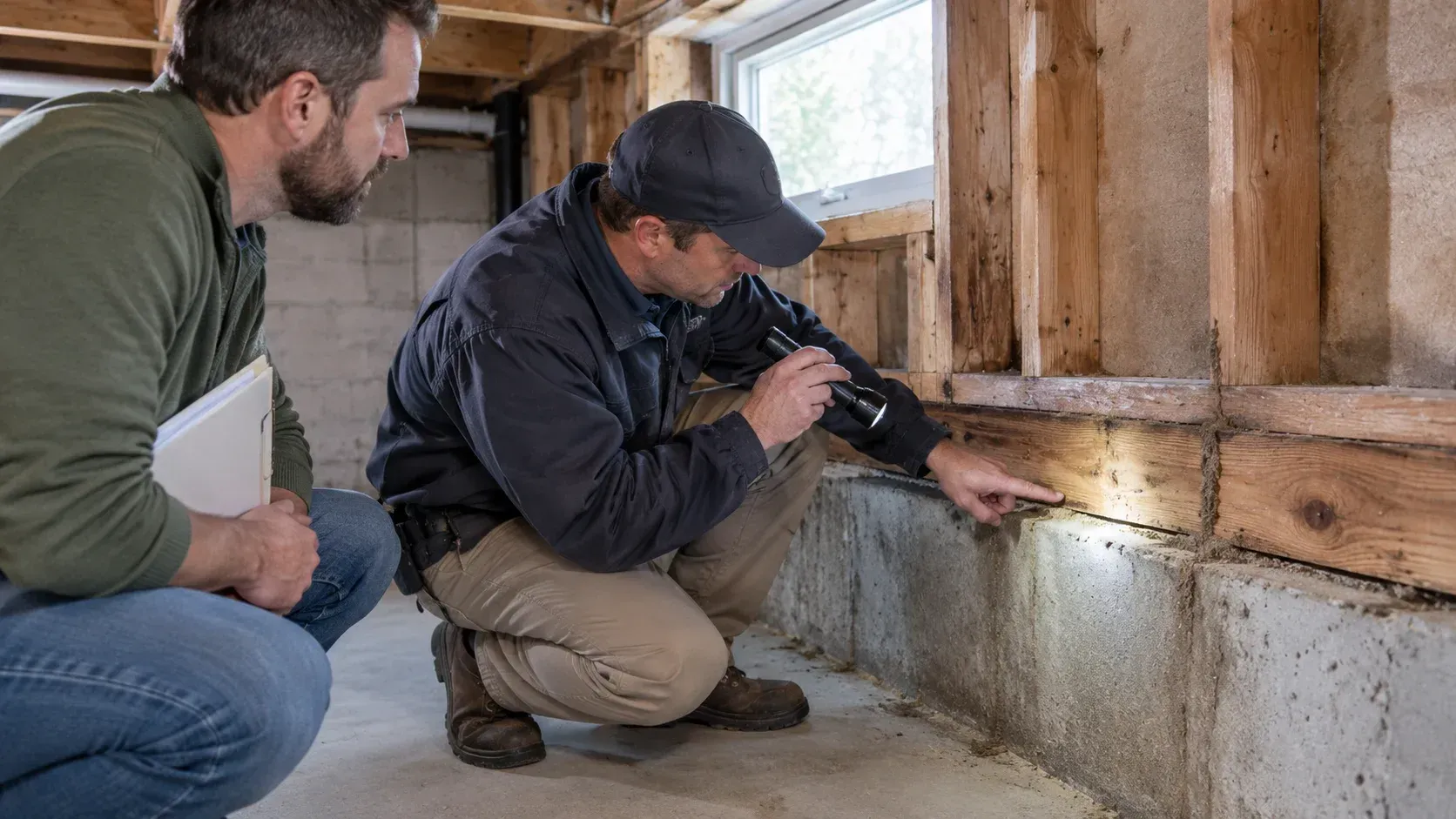
Older homes typically have more entry points and aging foundations, benefiting from more frequent monitoring than newer construction with tighter building envelopes. Properties that have dealt with carpenter ants, termites, or rodents typically need more frequent monitoring even after successful treatment, since conditions that originally attracted pests may still exist.
Environment and Moisture
Properties near wooded areas, water sources, or agricultural land typically experience higher pest pressure than homes in dense urban developments. Chronic moisture problems - leaky pipes, poor drainage, humid basements - attract numerous pest species and often require more frequent attention until underlying issues are resolved.
Seasonal Treatment Considerations in Michigan
Spring and Summer Pressure
Spring brings increased ant activity, termite swarmer emergence, and insect population growth as temperatures warm. Treatment scheduled for early spring addresses these increases before populations become established. Summer sees peak activity for mosquitoes, wasps, and various ant species, often requiring treatment to address outdoor pressure that migrates indoors.
Fall and Winter Patterns
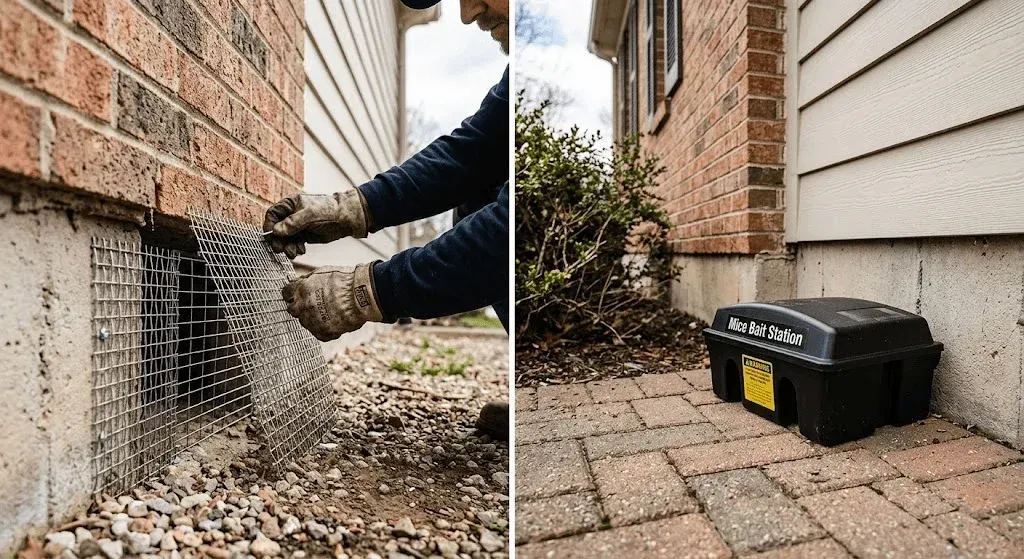
Fall is critical for rodent prevention since mice actively seek indoor shelter as temperatures drop. Treatment timed for early fall proves more effective than addressing infestations after they're established. Winter sees reduced outdoor activity, but indoor pests remain active, meaning properties with previous rodent issues may still need attention during colder months.
Residential vs Commercial Treatment Frequency
Why Businesses Need More Frequent Service
Commercial properties, particularly food service, healthcare, or hospitality businesses, typically require monthly or more frequent treatment compared to residential quarterly schedules. This stems from regulatory requirements, higher foot traffic, and greater consequences if pest problems develop.
Many commercial properties must maintain pest control records for health code compliance, naturally leading to more frequent visits. Businesses also generally have lower risk tolerance for pest problems since infestations can affect customer perception or violate health codes, justifying more frequent treatment investment. Exploring commercial pest control options tailored to your industry helps determine the right frequency for your specific business.
Signs You Need More Frequent Treatment
Recurring Activity and Changing Conditions
If you're seeing pests between scheduled treatments regularly, this indicates your current frequency isn't adequately addressing your property's pest pressure. Occasional single sightings may be normal, but recurring activity suggests treatment gaps are too long.
Construction activity, whether new building or renovation, often disturbs pest habitats and creates new entry points, requiring temporary increases in frequency. If neighboring properties experience significant infestations with pests that travel between properties, your property may need increased monitoring even without current activity on your premises.
What Happens Between Scheduled Visits
Ongoing Protection and When to Call
Many pest control programs include monitoring devices like traps or bait stations that remain active between visits, providing ongoing protection and early detection. Quality treatments also create preventive barriers that continue working between visits, explaining why quarterly scheduling can work even though technicians aren't constantly present.
If you notice significant pest activity between scheduled treatments, contacting your provider makes sense rather than waiting for your next visit. Most professional services accommodate these calls since pest problems don't always align with pre-set schedules.
Common Misconceptions About Treatment Frequency
A common misconception is that more frequent treatment always provides better protection. This isn't necessarily true. Unnecessary frequent treatment doesn't provide proportional additional protection and increases costs without corresponding benefit for properties without elevated pest pressure.
Another misconception involves assuming one-time treatments solve ongoing pest problems permanently. Most pest issues stem from environmental factors that persist unless addressed - a single treatment eliminates current pests but doesn't necessarily prevent future issues if underlying attractants remain.
Some property owners believe seasonal treatment alone, without a consistent schedule, provides adequate protection. While seasonal timing matters, skipping treatments during presumed low-risk periods can allow problems to develop undetected, particularly for pests with less predictable seasonal patterns.
What Typical Advice Overlooks
Generic online guides often recommend fixed schedules like "quarterly for everyone" without acknowledging that properties with different risk profiles need meaningfully different approaches. A property with chronic moisture issues and previous infestations genuinely needs different frequency than a well-maintained newer home.
Most advice also fails to address that treatment frequency should evolve based on results. If quarterly treatment eliminates pest activity consistently for several years, this might justify extending intervals. Conversely, if problems persist despite treatment, this indicates frequency or approach needs adjustment rather than simply continuing the same schedule indefinitely.
Few resources discuss the relationship between treatment frequency and property-specific conducive conditions. Simply treating on a schedule without addressing moisture problems, food sources, or entry points means treatments manage symptoms rather than resolving root causes, potentially requiring indefinite frequent treatment rather than achieving long-term reduction in pest pressure.
Building a Treatment Schedule That Works
Start with Professional Assessment
Rather than assuming a standard frequency applies to your property, professional assessment identifies your specific risk factors, existing conditions, and appropriate starting frequency based on your actual situation rather than generic guidelines.
Monitor and Adjust
Treat initial scheduling as a starting point rather than a permanent decision. Track pest activity over the first year and discuss adjustments with your provider based on what you're actually experiencing rather than maintaining a schedule that isn't producing adequate results.
Factor in Property Changes
Major changes like landscaping work, construction, new neighboring development, or changes in property use should prompt reconsideration of your treatment frequency, since these changes can meaningfully affect pest pressure regardless of previous patterns.
Communicate Openly With Your Provider
If you're uncertain whether your current schedule meets your needs, discussing your specific concerns with your pest control provider helps determine whether adjustments make sense. Understanding residential pest control options available for your situation clarifies what scheduling changes might benefit your particular property.
Conclusion
Determining how often to schedule pest control treatments depends on multiple factors specific to your property rather than a single universal answer. Quarterly treatment serves as a reasonable starting point for many Michigan homes, but property age, previous infestation history, surrounding environment, and moisture conditions all influence what frequency actually makes sense for your situation.
Commercial properties typically require more frequent service than residential homes due to regulatory requirements and lower risk tolerance for pest problems. Seasonal patterns in Michigan also affect when treatment matters most, with spring and fall representing particularly important periods for addressing emerging pest pressure.
Rather than assuming a fixed schedule works indefinitely, monitoring your property's actual pest activity and adjusting frequency based on real results provides more effective long-term protection than rigidly following generic recommendations regardless of your specific circumstances.
Not Sure What Schedule Fits Your Property?
If you're trying to determine the right treatment frequency for your home or business, understanding your property's specific risk factors makes all the difference. A professional assessment can evaluate your pest pressure, property conditions, and history to recommend a schedule that actually fits your situation rather than a generic timeline. Whether you need help figuring out your starting frequency or want to discuss adjusting your current schedule, feel free to
contact us
to talk through what makes sense for your property.
Frequently Asked Questions
Is quarterly pest control treatment enough for most Michigan homes?
Quarterly treatment works as a reasonable baseline for many Michigan homes without significant pest history or risk factors. However, properties with moisture problems, previous infestations, or specific environmental risk factors often need more frequent attention beyond this standard recommendation.
How much more often do commercial properties need pest control compared to homes?
Commercial properties, especially food service and healthcare facilities, often need monthly treatment compared to residential quarterly schedules. This increased frequency reflects regulatory requirements, higher foot traffic, and lower risk tolerance for pest problems affecting customers or compliance.
Can I reduce treatment frequency if I'm not seeing any pests?
Potentially, but this decision should be based on discussion with your pest control provider rather than assumption alone. Consistent absence of pest activity over multiple treatment cycles might justify extended intervals, though this depends on your property's specific risk factors.
What time of year is most important for pest control treatment in Michigan?
Spring and fall represent particularly important periods. Spring addresses emerging ant and termite activity as temperatures warm, while fall treatment helps prevent rodents from establishing indoor shelter before winter. Both periods see significant seasonal pest behavior changes.
Should I increase treatment frequency after a construction project?
Yes, construction activity often disturbs pest habitats and creates new entry points, making temporary increases in treatment frequency reasonable during and immediately after construction work. Discussing this with your provider helps determine appropriate adjustments for your specific project.
Recent Posts