What Does a Commercial Pest Control Plan Typically Include?
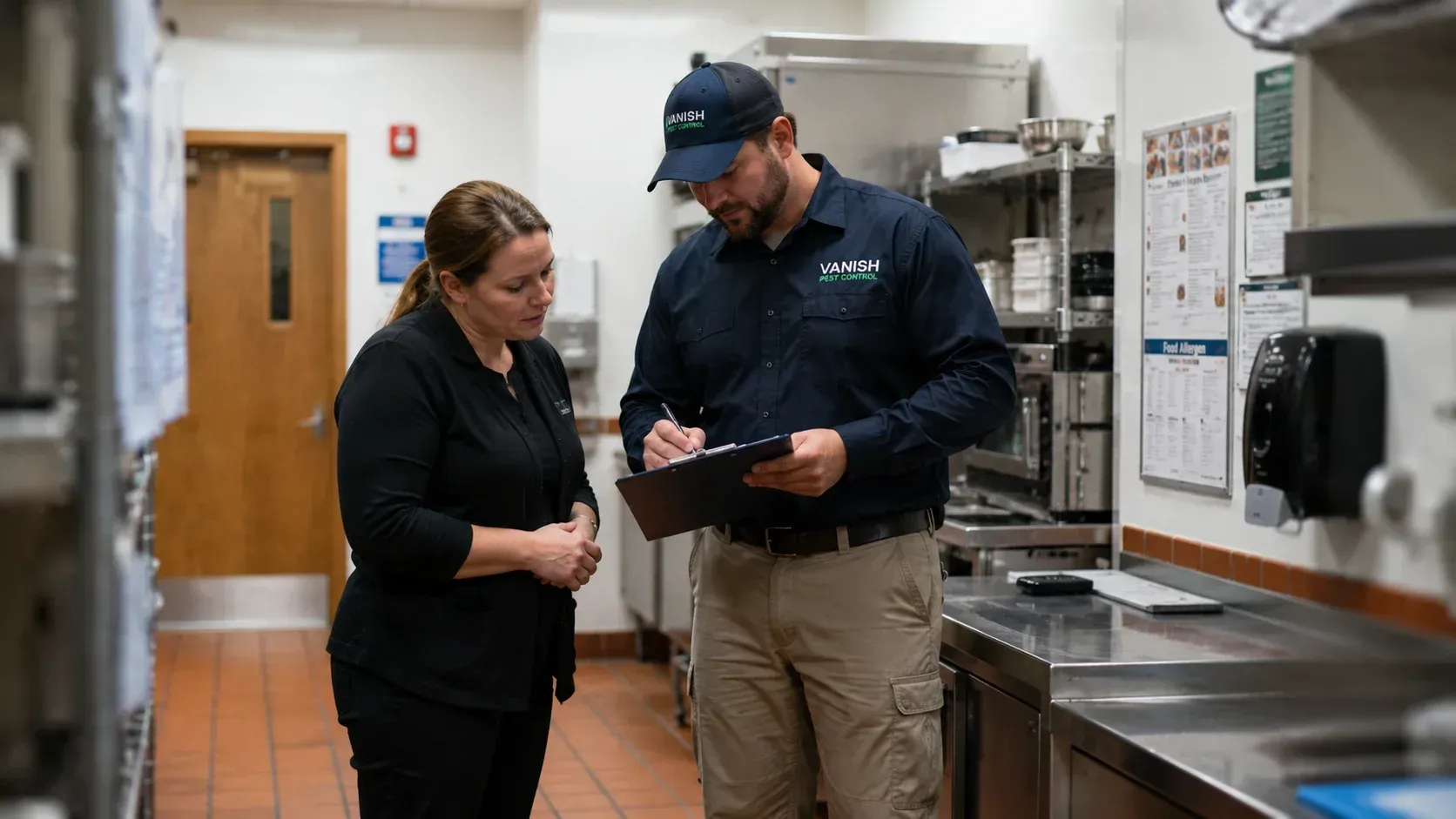
Table of Contents
- Introduction
- What a Commercial Pest Control Plan Includes
- Initial Inspection and Assessment
- Monitoring and Detection Systems
- Treatment Strategies and Methods
- Preventive Measures and Exclusion
- Documentation and Record Keeping
- Communication and Reporting
- Compliance and Regulations
- Ongoing Maintenance and Adjustments
- Conclusion
- Frequently Asked Questions
Key Takeaways
- A comprehensive commercial pest control plan combines routine inspections, pest monitoring, targeted treatments, and preventive strategies tailored to your business type and location.
- Most plans include detailed documentation, ongoing communication, and compliance reporting to help businesses meet health codes and industry regulations.
- Regular monitoring and treatment schedules prevent pest populations from becoming established before they cause damage or create health risks.
- Professional pest management identifies conditions that attract pests and addresses them through practical recommendations beyond just applying treatments.
- Different businesses require different approaches based on industry, facility size, and specific pest pressures in their area.
Introduction
A comprehensive commercial pest control plan includes routine inspections, ongoing monitoring, customized treatments, preventive measures, and detailed documentation. Learning about commercial pest control services helps business owners understand what these services involve to protect their facilities and ensure regulatory compliance.
Pests in commercial spaces threaten customer health, damage products, and create health code risks. This guide explains key components of pest management plans and why each component matters for protecting your business.
What a Commercial Pest Control Plan Includes
A commercial pest control plan is a systematic approach designed around your specific facility and local pests. Most plans combine multiple components working together to prevent infestations before they start.
Details vary by business type, building size, location, and pest pressures. Restaurants face different challenges than office buildings. Food manufacturers need more stringent controls than retail stores. Professional pest management customizes plans rather than applying the same approach to every client.
Initial Inspection and Assessment
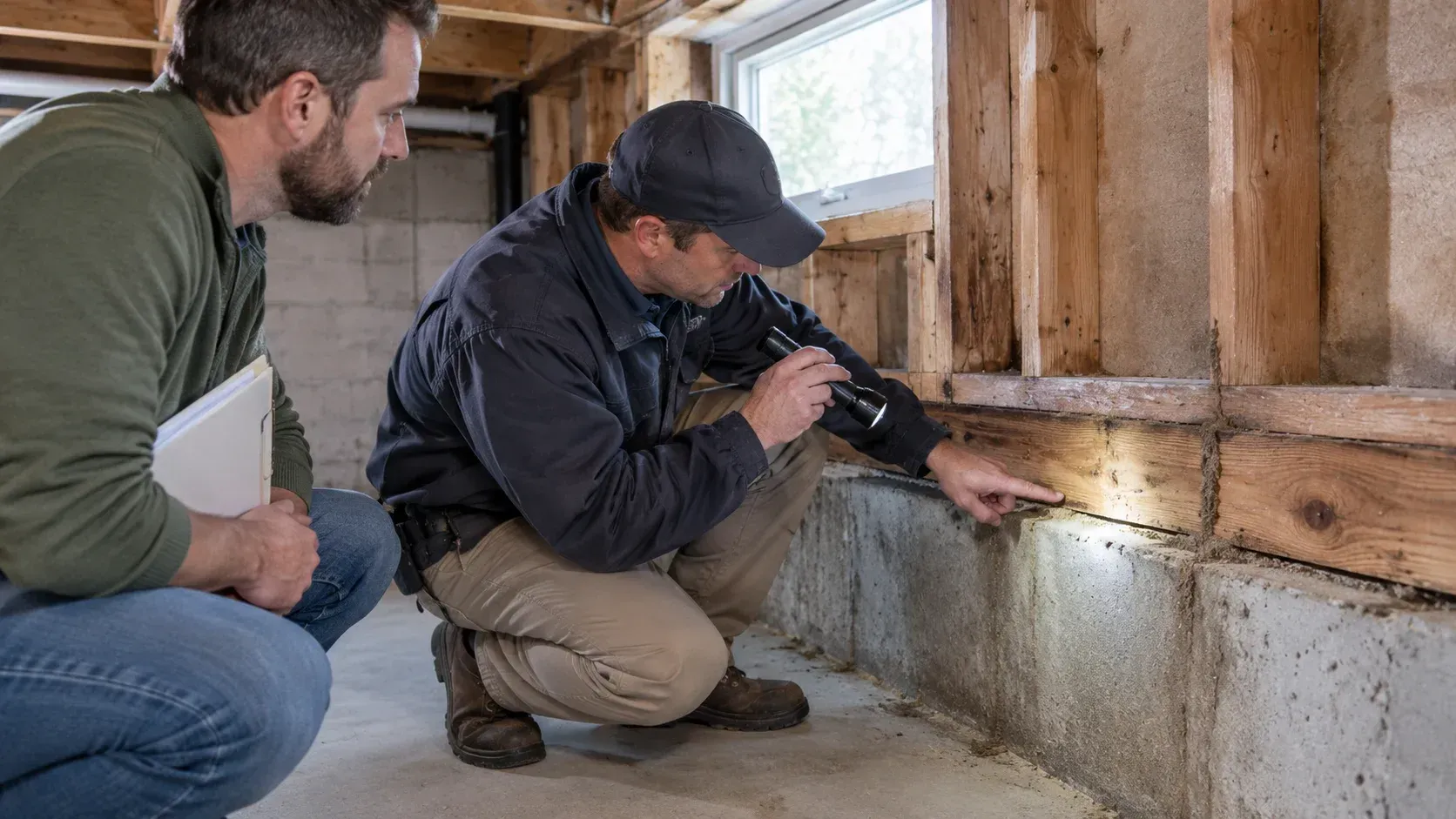
Professional technicians conduct detailed inspections covering interior areas like storage rooms, break rooms, and basements, plus the building exterior for cracks, gaps, and entry points.
Technicians look for pest activity signs like droppings, damage, and nesting materials. They identify attractive conditions such as moisture problems, food sources, or structural gaps. The inspection report documents findings and explains treatment and prevention recommendations.
Monitoring and Detection Systems
Professional plans include regular monitoring to catch pest problems early. Technicians place sticky traps, pheromone traps, or bait stations in strategic locations. These devices track activity levels, identify problem areas, and show whether treatment is working.
Regular monitoring visits on a set schedule - weekly, biweekly, or monthly - prevent surprises. Technicians spot problems early when they're easier to address.
Treatment Strategies and Methods
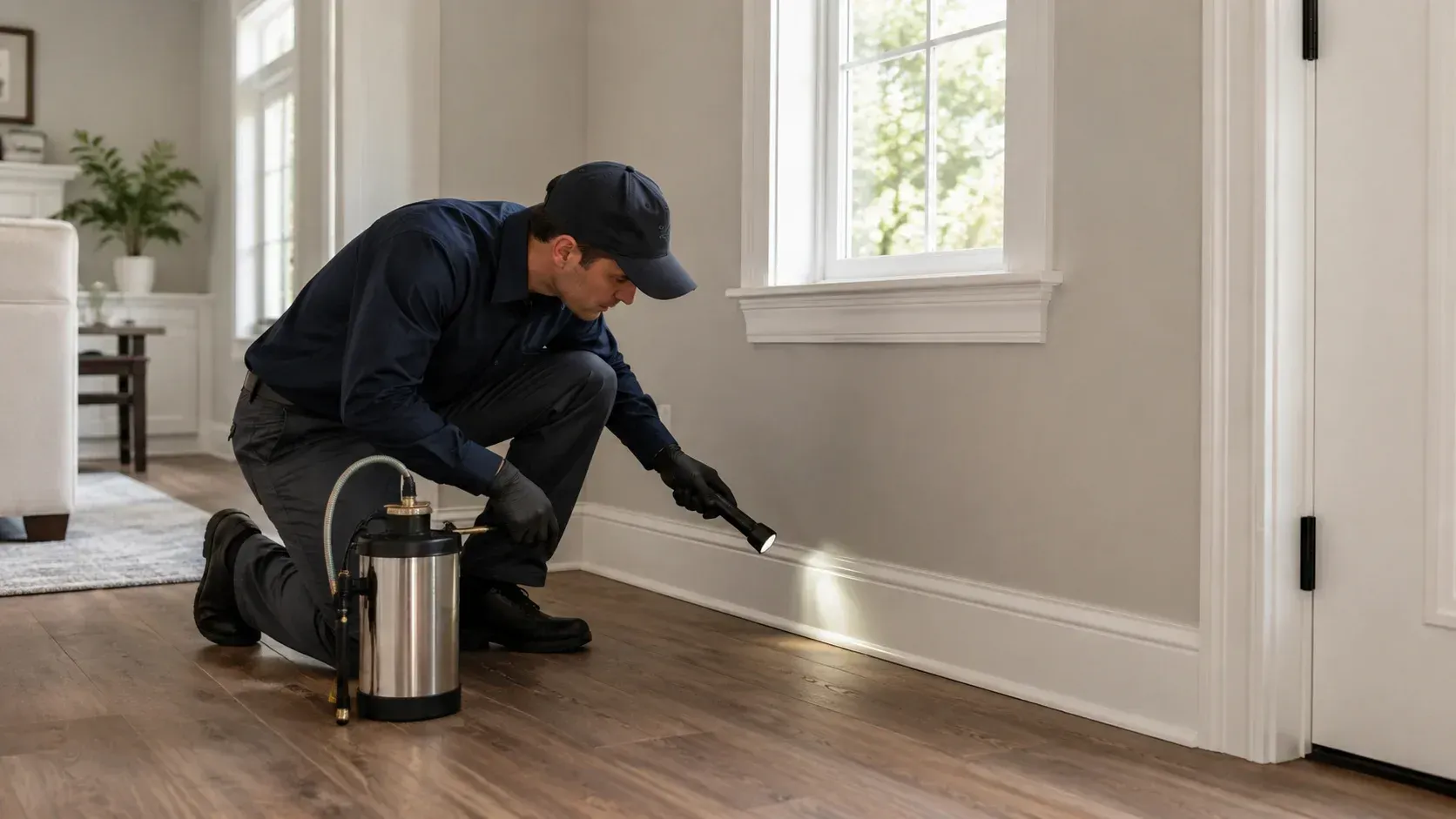
Technicians use various methods depending on the pest and situation. Common approaches include perimeter treatments, targeted spot treatments, bait applications, and crack-and-crevice treatments.
Modern pest control uses integrated approaches combining insect growth regulators, baits, and targeted applications. Treatment methods depend on pests present, facility type, and safety considerations. Healthcare facilities and food service areas require different approaches.
Preventive Measures and Exclusion
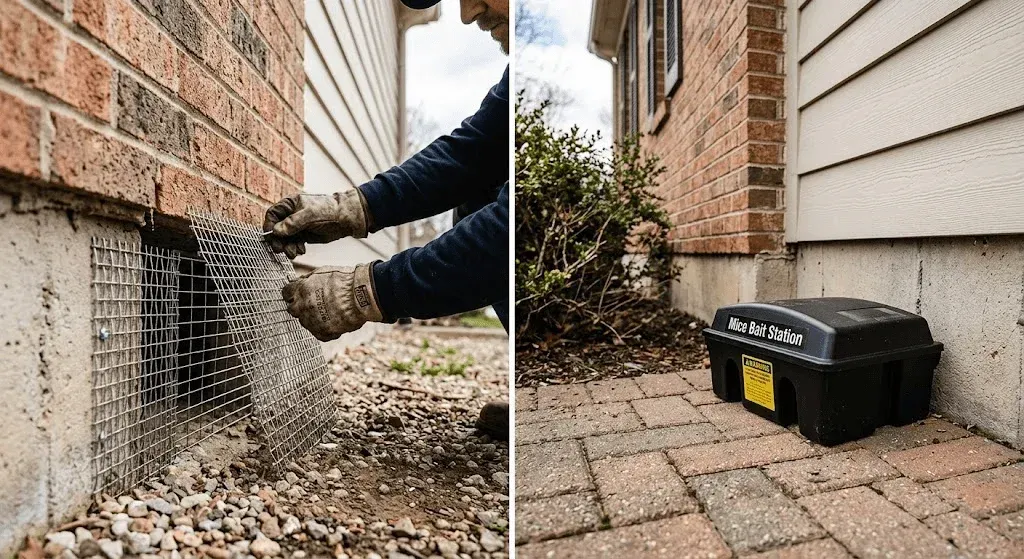
Prevention is the most effective part of any plan. Professional management includes recommendations to eliminate attractive conditions like sealing cracks, improving drainage, and securing doors with weather stripping.
Preventive measures also address operations - proper food storage, trash management, sanitation, and moisture control. Exclusion (physically blocking pests) is often more effective long-term than elimination. Plans include recommendations for sealing gaps and installing door sweeps.
Documentation and Record Keeping
Professional plans include detailed documentation showing inspections, findings, treatments applied, and results. Records prove your business takes pest management seriously and help track patterns over time.
Many commercial facilities must maintain pest control records for regulatory compliance. Restaurants, food manufacturing, healthcare, and hospitality businesses must prove they have active programs. Documentation demonstrates compliance to health inspectors.
Communication and Reporting
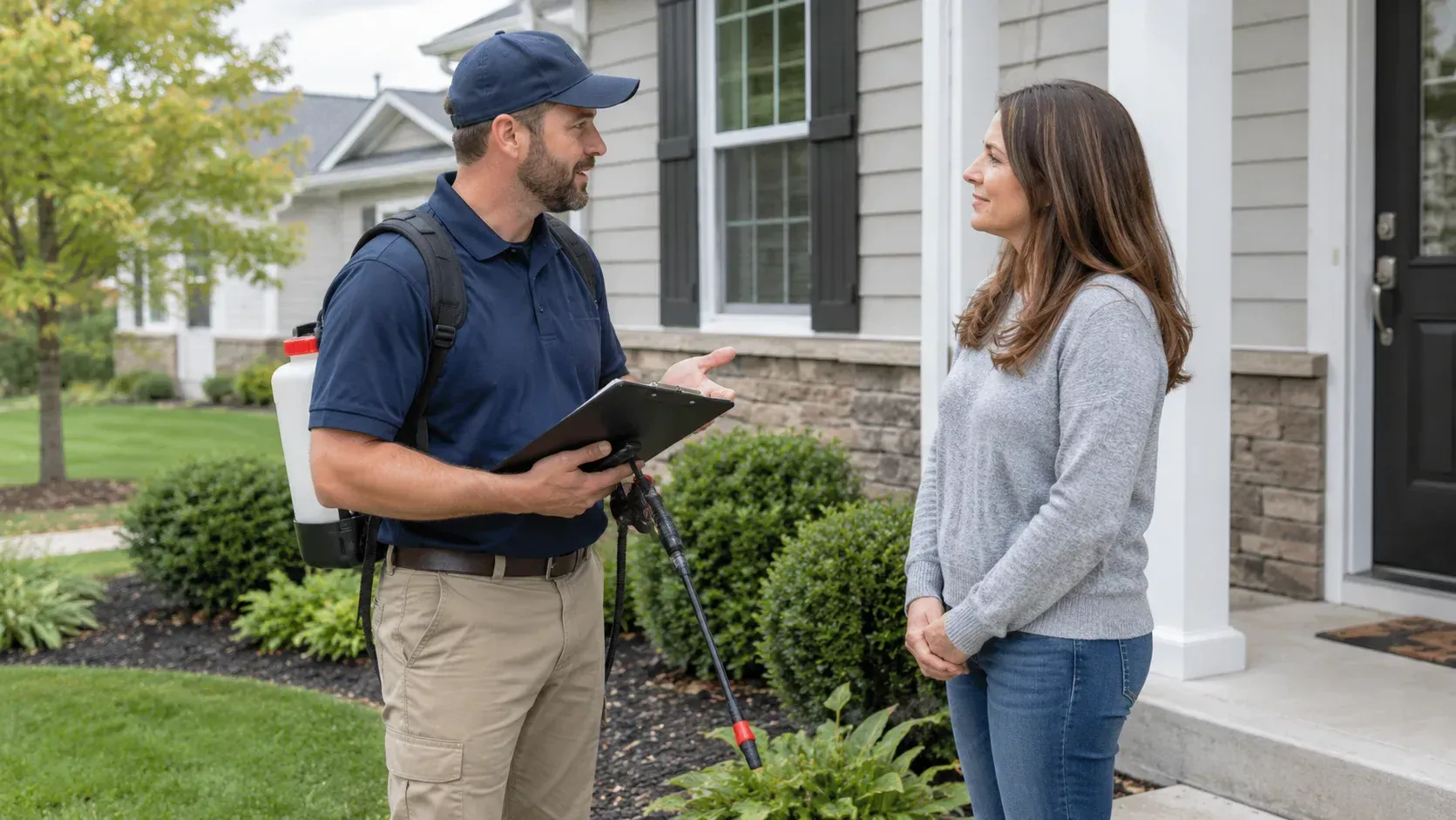
Professional plans include regular communication with business owners. Technicians provide reports after each visit explaining what they did, found, and recommend.
Communication happens through written reports, online portals, or direct conversations. Your pest control company should be responsive to questions and concerns between scheduled visits. Good pest management relationships involve active communication.
Compliance and Regulations
Different businesses face different regulatory requirements. Food service, healthcare, and manufacturing facilities must maintain active pest management programs with proper documentation.
Professional plans should address your specific regulatory requirements. The company should understand your industry's standards and structure the plan accordingly. Your plan should specifically address pest control regulations relevant to your business type.
Ongoing Maintenance and Adjustments
Plans adjust as seasons change and operations evolve. A plan that works in summer might need modifications in fall. When your business expands or changes operations, pest control needs may shift.
Professional companies monitor changes and adjust plans accordingly. Adjustments might mean changing treatment frequency, adding monitoring areas, or modifying prevention recommendations. The best plans evolve with your business.
Conclusion
A comprehensive commercial pest control plan combines inspections, monitoring, treatments, prevention, documentation, and communication. Understanding these components helps you evaluate current programs and choose appropriate management companies.
Effective pest control protects your reputation, ensures health, maintains quality, and demonstrates compliance. Professional plans prevent issues rather than reacting to problems. Speaking with a pest management professional about your specific situation provides information needed to make informed decisions about protecting your business.
Frequently Asked Questions
How often should a commercial pest control plan include inspections?
Frequency depends on your business type and local pest pressures. High-risk areas like food service facilities typically need weekly or biweekly inspections, while lower-risk businesses may only need monthly visits. Your pest control company assesses your specific situation to determine appropriate frequency.
What's the difference between commercial and residential pest control?
Commercial plans are more complex and comprehensive. They require detailed documentation, address regulatory compliance, cover larger areas, and deal with higher stakes if pests are present. Residential plans focus on a single home and different pest pressures than commercial facilities.
Are the chemicals used in commercial pest control safe for employees and customers?
Professional pest control companies use products approved for commercial use and apply them according to label directions. They apply treatments when areas are unoccupied and use methods that minimize exposure. Safety is a key consideration in how treatments are selected and applied.
What should I look for when choosing a commercial pest control company?
Look for companies with experience in your specific industry type, proper licensing and certifications, clear communication about methods and costs, and willingness to customize plans for your facility. Ask about their experience with your local pest pressures.
How much does a commercial pest control plan cost?
Costs vary widely depending on facility size, pest pressures, treatment frequency, and your location. Prices are typically higher than residential service but lower than the cost of dealing with a serious pest infestation. Request quotes from multiple companies to compare.
Can my business operate normally while pest control treatments are being applied?
Most commercial pest control uses methods that allow normal operations to continue. Some treatments may require temporary closure of specific areas during application, but professional companies minimize disruption to your business.
How do I know if a commercial pest control plan is working?
Documentation shows monitoring results, treatment applications, and any pest activity found. Fewer pest sightings, lower trap counts, and clean inspection reports indicate the plan is effective. Regular communication with your pest control company explains what the data means.
Recent Posts