How Often Should a Business Schedule Commercial Pest Control?

Table of Contents
- Introduction
- The Short Answer on Commercial Pest Control Frequency
- What Determines the Right Service Interval
- Frequency Ranges by Business Type
- How Michigan Seasons Affect Scheduling
- Business Pest Prevention Between Visits
- Signs Your Current Schedule Is Not Enough
- Common Misconceptions About Service Frequency
- What Typical Advice Overlooks
- How to Set and Review Your Schedule
- Conclusion
- Frequently Asked Questions
Key Takeaways
- Most businesses fall somewhere between monthly and quarterly service. Higher-risk operations such as restaurants and food storage lean monthly or more often, while lower-risk offices and retail spaces often use quarterly visits.
- The right interval depends on industry, building age and condition, nearby pest sources, and how much food, moisture, and foot traffic the property has.
- Michigan's seasons change which pests are active, so a schedule often needs extra attention in spring and fall even when the base interval stays the same.
- Frequency is not a fixed decision. Inspection findings and monitoring data should guide adjustments over time.
- Business pest prevention between visits, such as sanitation, sealing gaps, and prompt reporting, affects how often professional service is needed.
Introduction
Most businesses should schedule commercial pest control monthly or quarterly, and the right interval depends on the industry, the building, and how much pest pressure the property faces. Food service, healthcare, and food storage operations often need monthly or more frequent visits, while lower-risk offices and retail spaces may do well with quarterly service.
This matters because a schedule that is too loose can let small problems grow into infestations, while a schedule that is too tight can add cost without adding much protection. Business owners also have to think about health inspections, customer perception, and damage to stock or property, which makes the interval a real operating decision rather than a routine purchase.
This guide explains how commercial pest control frequency is usually determined, what ranges are common for different businesses, how Michigan's seasons affect timing, and how to review a schedule once it is in place.
The Short Answer on Commercial Pest Control Frequency
Monthly, Bi-Monthly, and Quarterly Service
Monthly service is common for businesses where pests carry a high cost, such as restaurants, grocery stores, and healthcare facilities. Quarterly service, meaning one visit every three months, is common for lower-risk properties such as offices, warehouses with limited food exposure, and many retail spaces. Some businesses land in the middle with visits every other month.
Why There Is No Single Correct Answer
Two businesses of the same type can need different schedules. A restaurant in a newer building with tight construction and good sanitation may have fewer problems than a similar restaurant in an older building next to wooded land or a drainage ditch. The category gives a starting point, and the property itself determines whether that starting point holds.
What Determines the Right Service Interval
Industry and Regulatory Expectations
Businesses that handle food, medicine, or vulnerable populations usually face stricter expectations from health inspectors and auditors. Many of these operations are expected to show a documented pest management program, and more frequent visits tend to produce better records and earlier detection. The specific requirements depend on the type of business and the agency or auditor involved, so owners should confirm what applies to them.
Building, Surroundings, and Attractants
Older buildings often have more gaps around foundations, utility lines, and doors, and complex layouts give pests more places to hide. Properties near wooded areas, lakes, dumpsters, or neighboring food businesses usually see more activity, since rodents and ants travel between adjacent properties.
Food, standing water, and cardboard storage are among the most common attractants in commercial spaces. Frequent deliveries also bring pests in on boxes and pallets. The more of these factors a business has, the more often it usually needs service.
Frequency Ranges by Business Type
Restaurants, Healthcare, and Childcare
Restaurants typically sit at the high end, often monthly and sometimes more often in warm months. Kitchens combine food, moisture, and constant deliveries, which is exactly what roaches, rodents, and flies look for. Healthcare and childcare facilities also need regular service because of the people they serve, and treatment methods are often chosen with extra care.
Offices and Retail Spaces
Many offices and retail stores use quarterly service with monitoring in between. Break rooms, storage areas, and loading docks are usually the main concern. Stores that sell food or pet products may need a tighter schedule.
Warehouses and Multi-Unit Properties
Warehouses vary widely. A facility storing packaged food may need monthly attention, while one storing hardware may need less. Apartment buildings and mixed-use properties share walls and waste areas, so a single unit's problem rarely stays in that unit.
How Michigan Seasons Affect Scheduling
Spring and Summer Activity
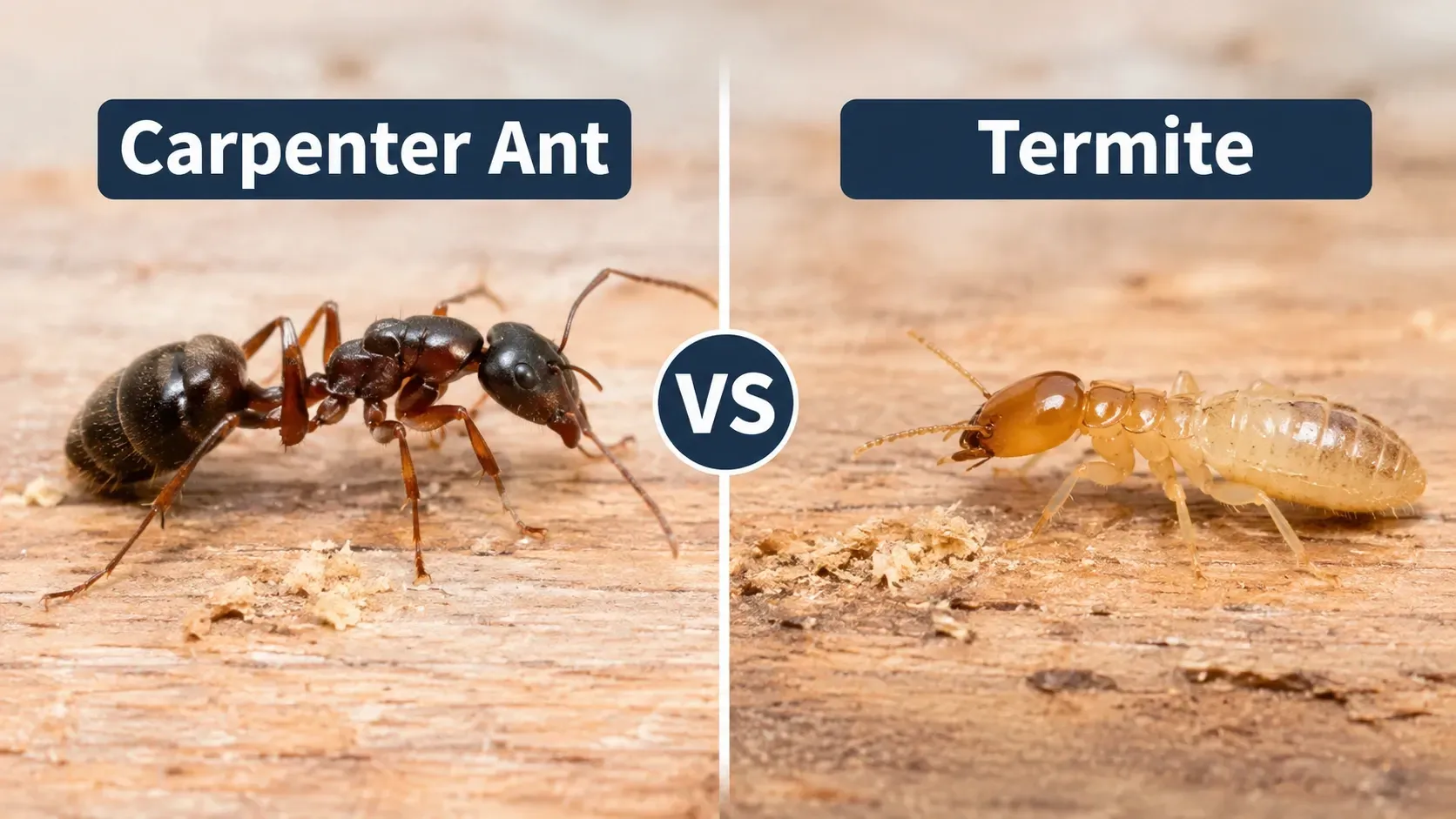
Warmer weather brings ants, flies, wasps, and mosquitoes, and termite swarmer's may appear in spring. Many Michigan businesses add attention to exterior areas and entry points during these months.
Fall and Winter Pressure
As temperatures drop, rodents look for warm shelter, and buildings with food or stored goods are attractive targets. Fall is often the best time to check seals, door sweeps, and loading dock gaps. Indoor pests such as cockroaches stay active all year, so winter does not mean service can stop.
A business on a quarterly plan may benefit from timing visits ahead of spring and fall pressure rather than spacing them evenly with no regard for the calendar.
Business Pest Prevention Between Visits
Sanitation, Exclusion, and Reporting
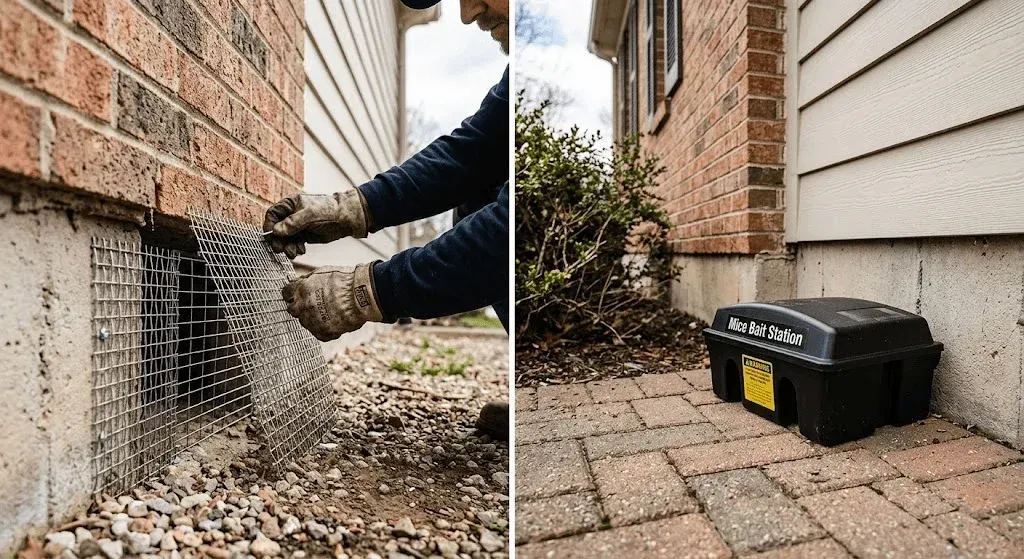
Business pest prevention starts with daily habits. Wiping down food areas, sealing food containers, keeping items off the floor, and removing trash regularly all reduce what pests can feed on. Sealing gaps around pipes, repairing door sweeps, and fixing leaks help block entry, though these repairs usually fall to the owner or facility manager.
Staff should also know who to tell when they see droppings, live pests, or damage. Fast reporting gives your provider a chance to act before a small issue spreads.
Signs Your Current Schedule Is Not Enough
Recurring Sightings and Rising Activity
Occasional single sightings can happen at any property. Repeated sightings in the same area, or traps showing more activity from one visit to the next, suggest the interval or the approach needs to change.
Property Changes and Inspection Findings
Renovations, new tenants, a change in the goods stored, or construction next door can all alter pest pressure. A health inspection note or customer complaint about pests is a clear sign to review the program right away rather than waiting for the next visit.
Common Misconceptions About Service Frequency
Misconception: Quarterly service is enough for every business. Quarterly visits suit some low-risk properties, but they can leave long gaps for food-related businesses where pests multiply quickly.
Misconception: More visits always mean better protection. Extra visits help when pressure is high, but if the cause is a leak, a gap, or poor sanitation, more treatment alone does not fix it.
Misconception: No pests means no service is needed. A quiet period often reflects the program working. Stopping service entirely can let pests return without anyone noticing until the problem is larger.
What Typical Advice Overlooks
Most online guidance gives a single number, such as monthly for restaurants and quarterly for offices. That is a fair starting point, but it ignores three practical points.
First, frequency and scope are separate decisions. A monthly visit that only covers the exterior will protect a business differently than a monthly visit that includes interior inspection, monitoring, and documentation. Owners should ask what each visit includes, not only how often it occurs.
Second, the schedule should respond to data. Inspection notes and monitoring results show whether pressure is falling, steady, or rising, and that evidence is a better basis for changes than habit.
Third, the building often matters more than the category. A well-sealed, well-maintained property can sometimes run a lighter schedule than the category suggests, while a leaky older building may need more, even if both are the same type of business. This is also true of homes, which is why residential pest control schedules are adjusted by property condition and history as well.
How to Set and Review Your Schedule
Start With an Inspection
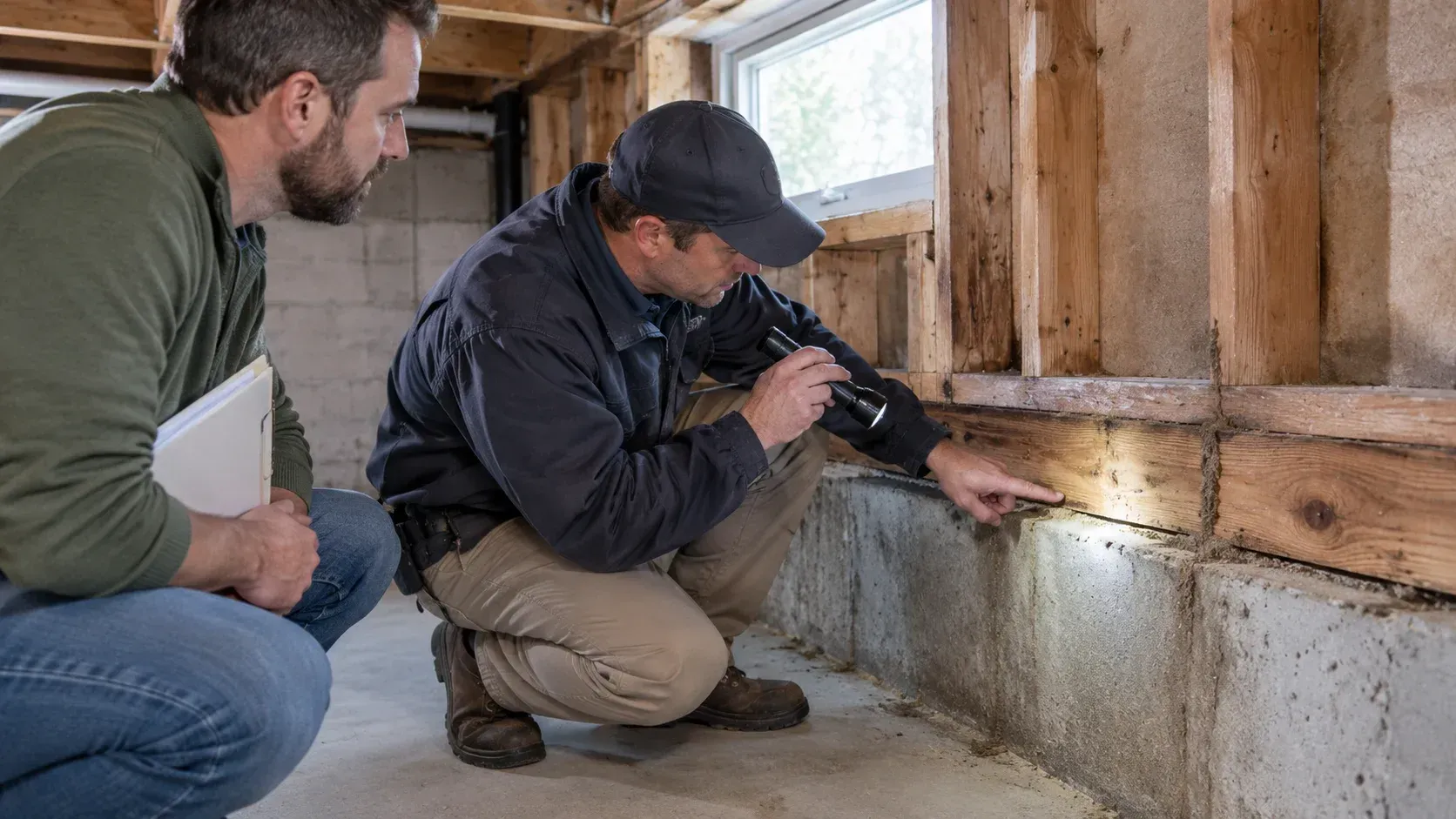
A site inspection identifies entry points, moisture sources, and conducive conditions. That information is more reliable than a category-based guess when setting the first interval.
Match Frequency to Risk and Requirements
Combine the inspection findings with any inspection or audit expectations that apply to your business. Where requirements are unclear, ask the relevant agency or auditor, and ask your provider how their pest control services can support documentation.
Review the Plan and Keep Records
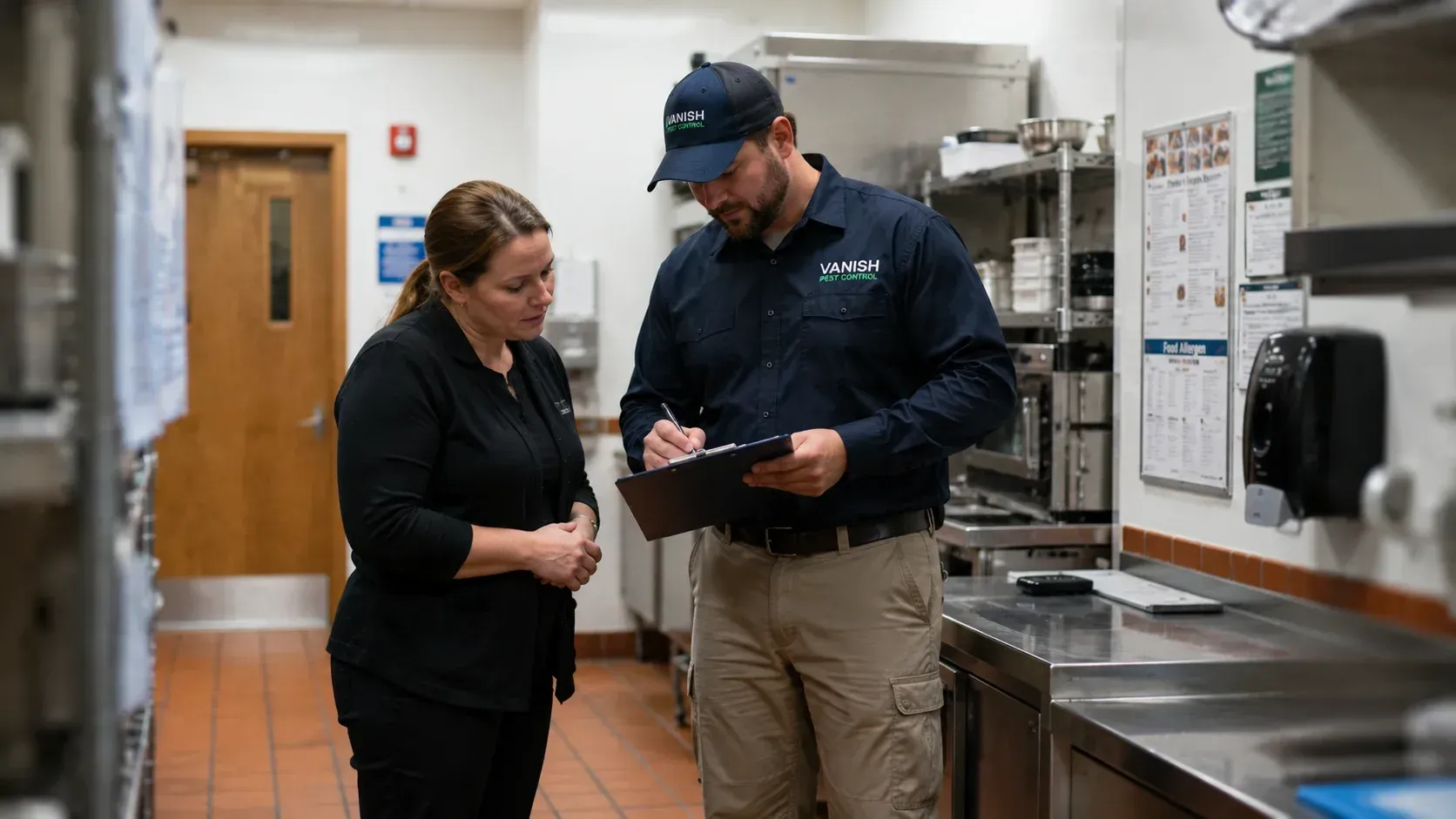
Many businesses review their plan at least once a year, and again after renovations or a move. Written reports from each visit show what was found and what was done, which helps during audits and shows whether the interval should change.
Conclusion
Commercial pest control frequency depends on industry, building condition, surroundings, and how much food, moisture, and traffic a property has. Monthly service is common for food-related and healthcare operations, and quarterly service is common for lower-risk offices and retail spaces, but neither is right for every property.
Michigan's seasons add another layer, with spring and fall often calling for extra attention. Sanitation, exclusion, and quick reporting between visits also affect how much professional service a business needs.
The most reliable approach is to start with an inspection, set an interval based on actual risk, and review that interval using service reports and monitoring data. A schedule built that way can change as the business changes.
Need Help Choosing a Commercial Pest Control Schedule in Michigan?
If you are unsure whether your current visit schedule fits your property, a short conversation can help clarify your options. Questions about your building, your industry, or your service reports are all fair places to start, and you can
contact us to talk through what a reasonable commercial pest control plan could look like for your Michigan business.
Frequently Asked Questions
How often do restaurants need commercial pest control?
Restaurants commonly use monthly service, and some add visits during warm months or after a sighting. Food, moisture, and frequent deliveries raise pest risk. The right interval depends on the building, location, and inspection findings.
Is quarterly commercial pest control enough for an office?
Often yes, when the office has limited food exposure and a well-maintained building. Break rooms, storage areas, and nearby pest sources can justify more frequent service. A site inspection helps confirm the right fit.
Can I reduce service frequency after pests are under control?
Sometimes. A steady record of clean inspections and low monitoring activity can support a longer interval. Any change should be discussed with your provider and reviewed against audit or inspection requirements that apply to your business.
Do Michigan winters mean I can pause commercial pest control?
Usually not. Rodents move indoors for warmth in fall and winter, and pests such as cockroaches stay active inside heated buildings. Many businesses keep service going and adjust the focus by season instead.
What should a commercial pest control visit include?
Typical visits include inspection, monitoring checks, treatment where needed, recommendations, and a written report. Scope varies by provider and property, so ask what each visit covers and how findings are documented.
Recent Posts